After you cross into Western Australia the first point of interest is Lake Argyle. This man made lake is Australia’s largest fresh water lake, and if full to capacity would hold more than 70 times the volume in Sydney Harbour. Water from Lake Argyle forms part of the Ord River irrigation scheme, providing irrigation for crops. As I visited this area in 2003 I skipped it this time and moved straight on to Kununurra.
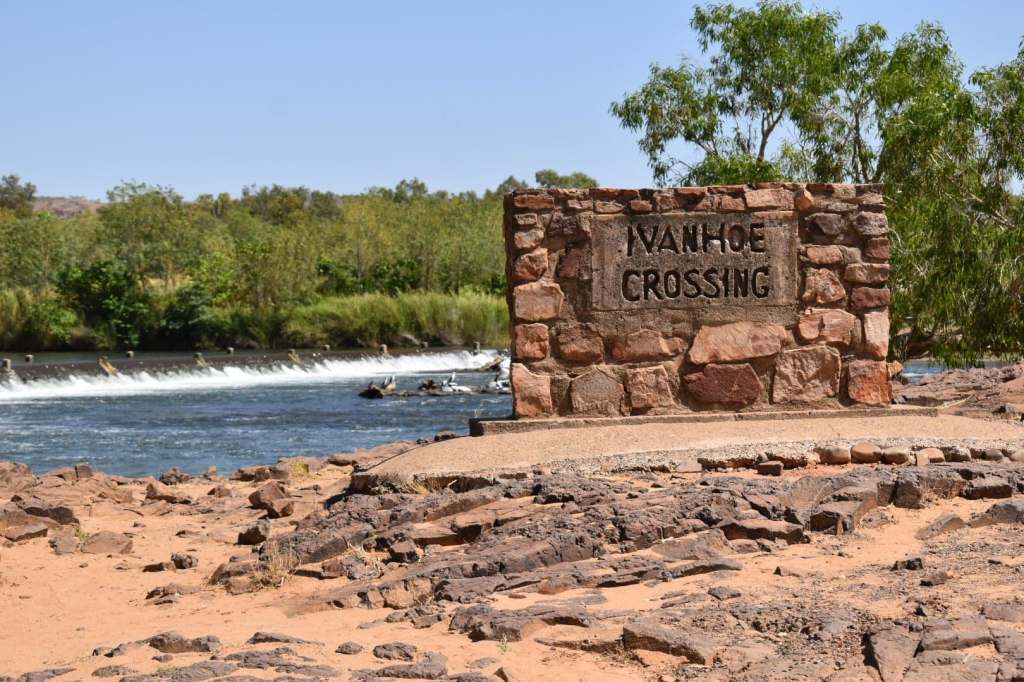

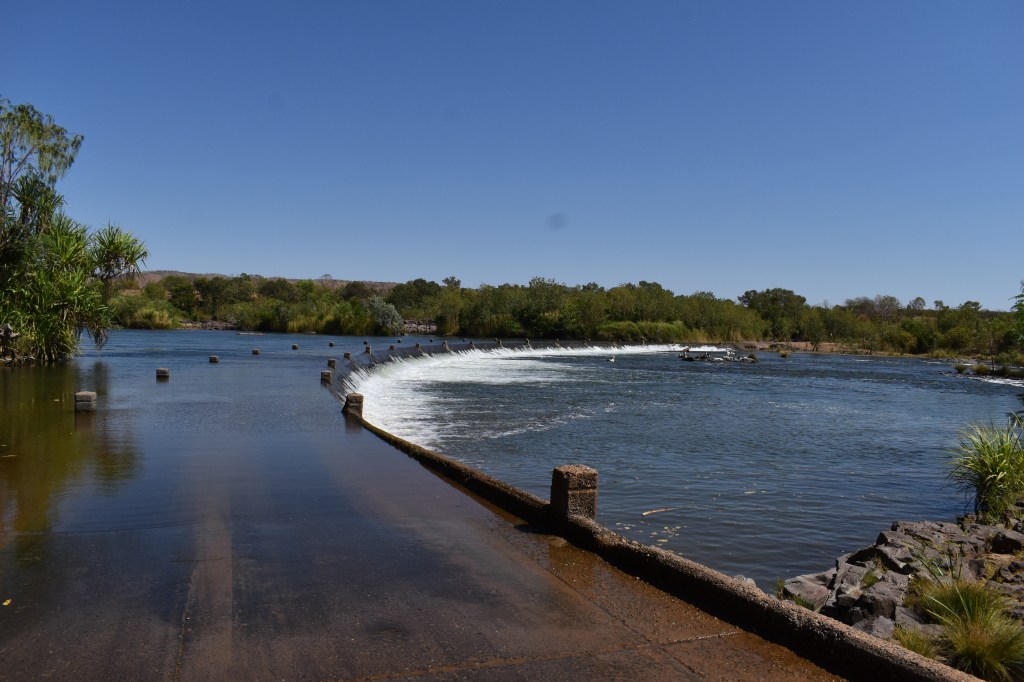
4WD vehicles can cross here. This area is known for its salt water crocodiles. The aboriginal locals still fish from this crossing. Ladies often fish with hand lines from the banks, children and families play on the shore, men stand in the water on the crossing. And tourists stand well back watching for crocs!!
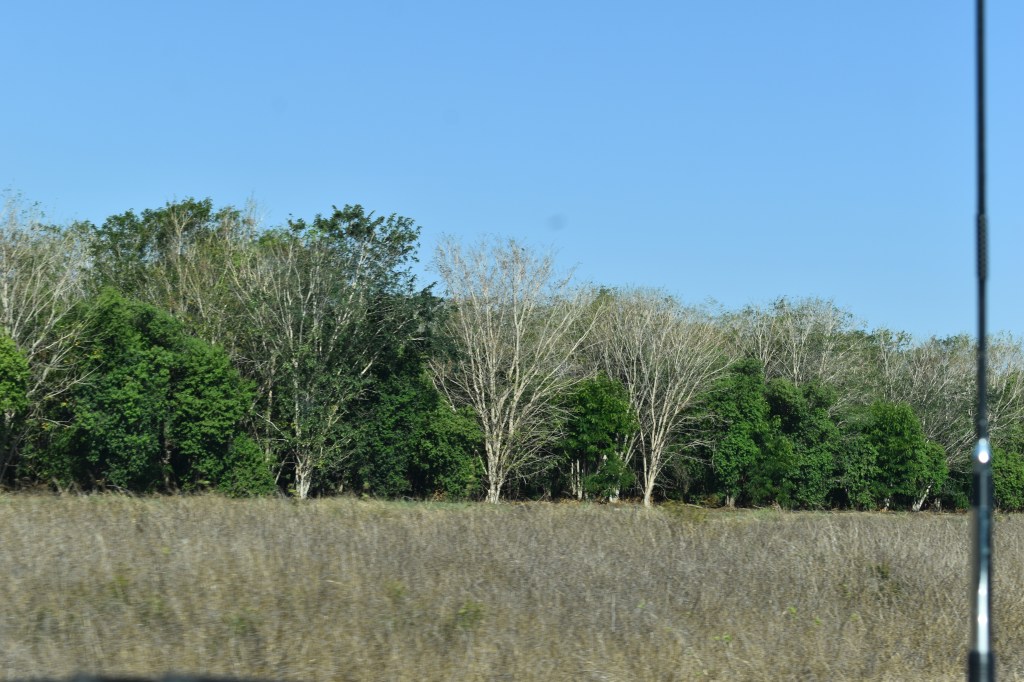
Sandalwood is a highly valuable timber used in the perfume industry, There are many plantations in the Kununurra area. The Sandalwood tree is actually a parasite which attaches itself to the root systems of host trees planted nearby. A mature sandalwood will have used and killed off four varieties of plant in its lifetime.
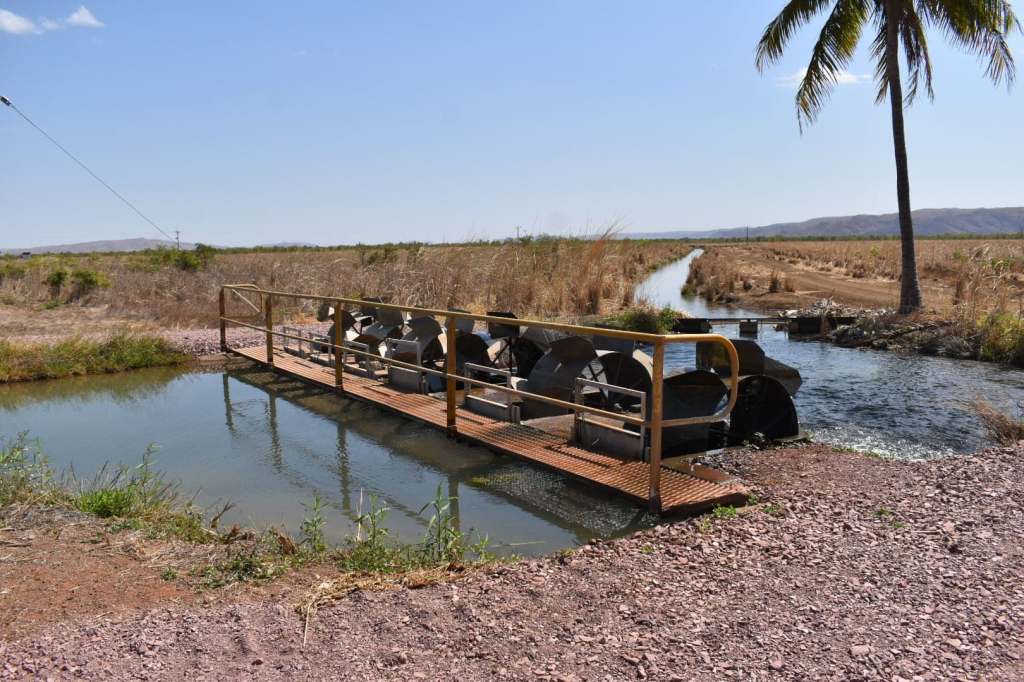
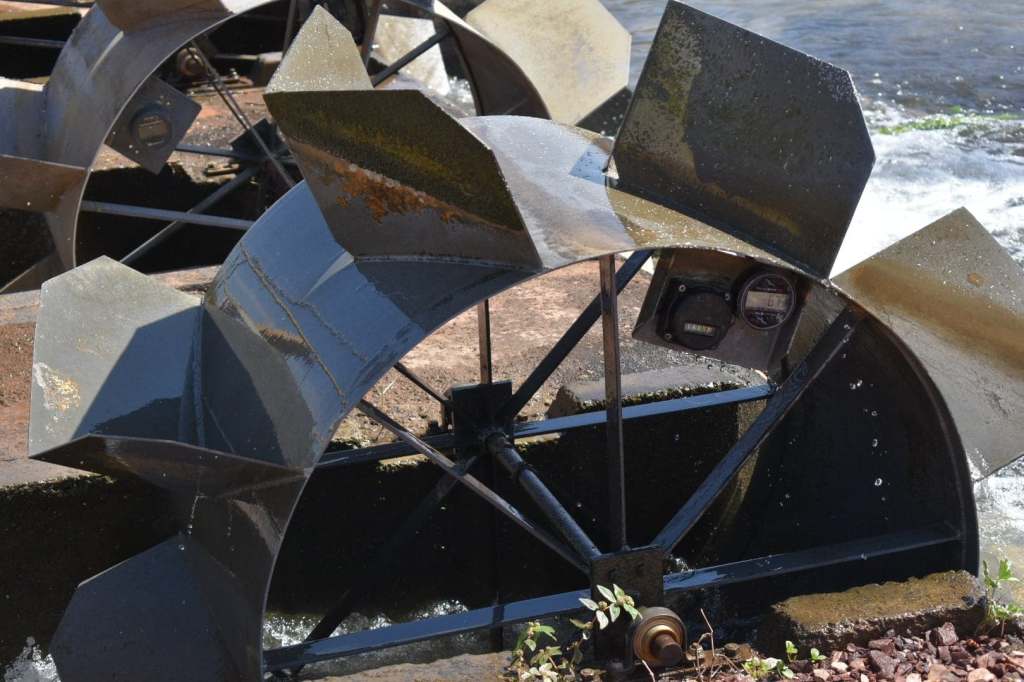
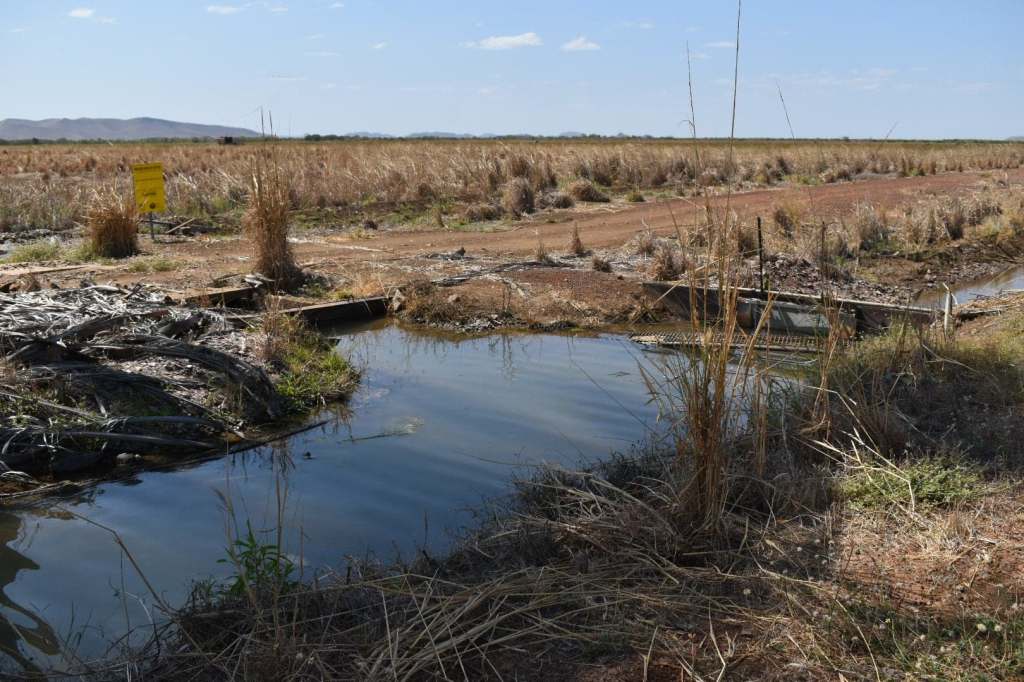
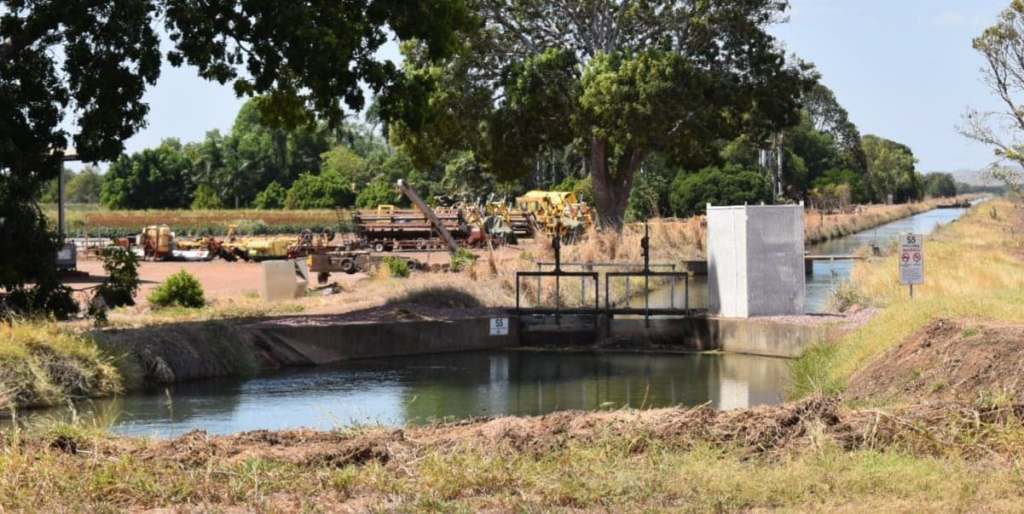
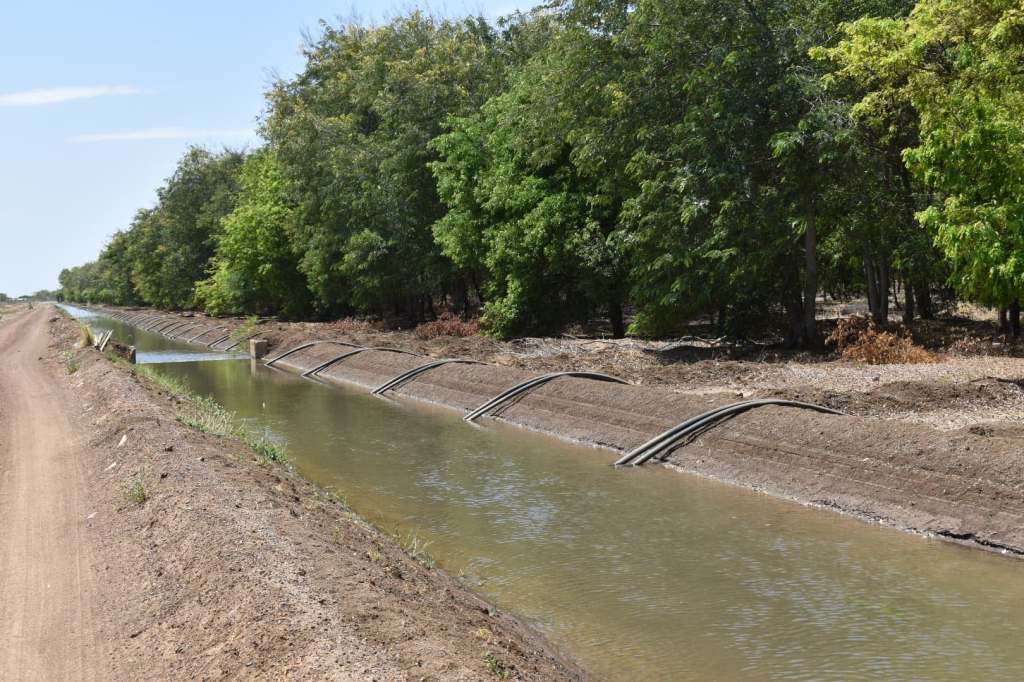
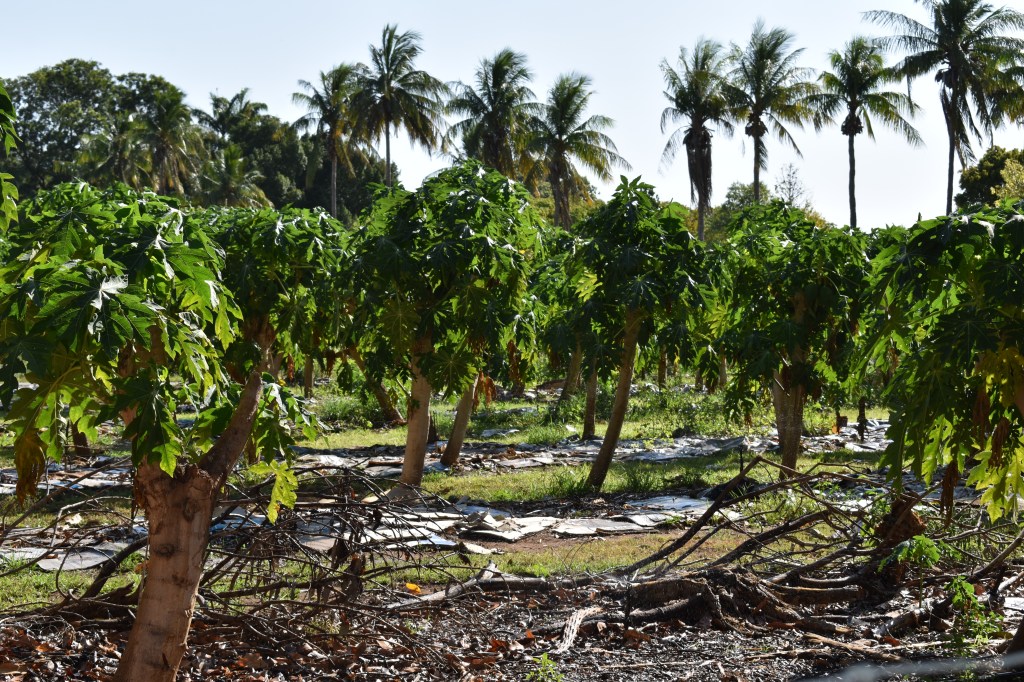
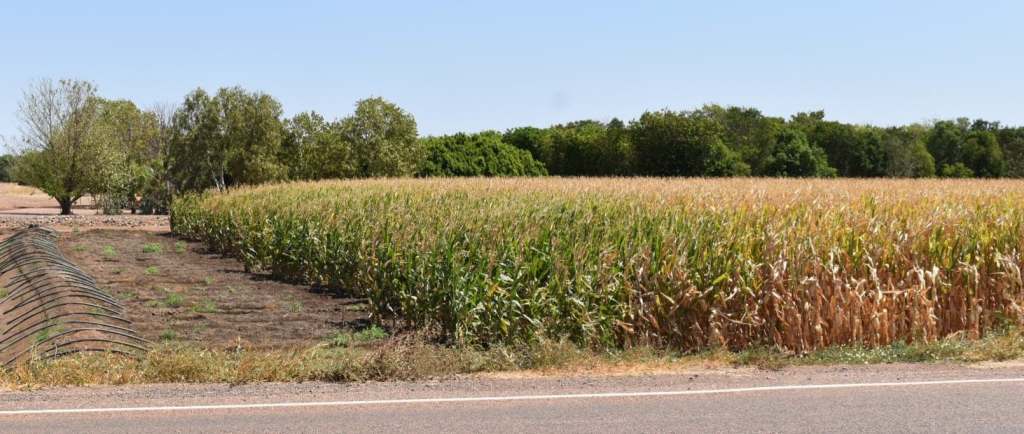
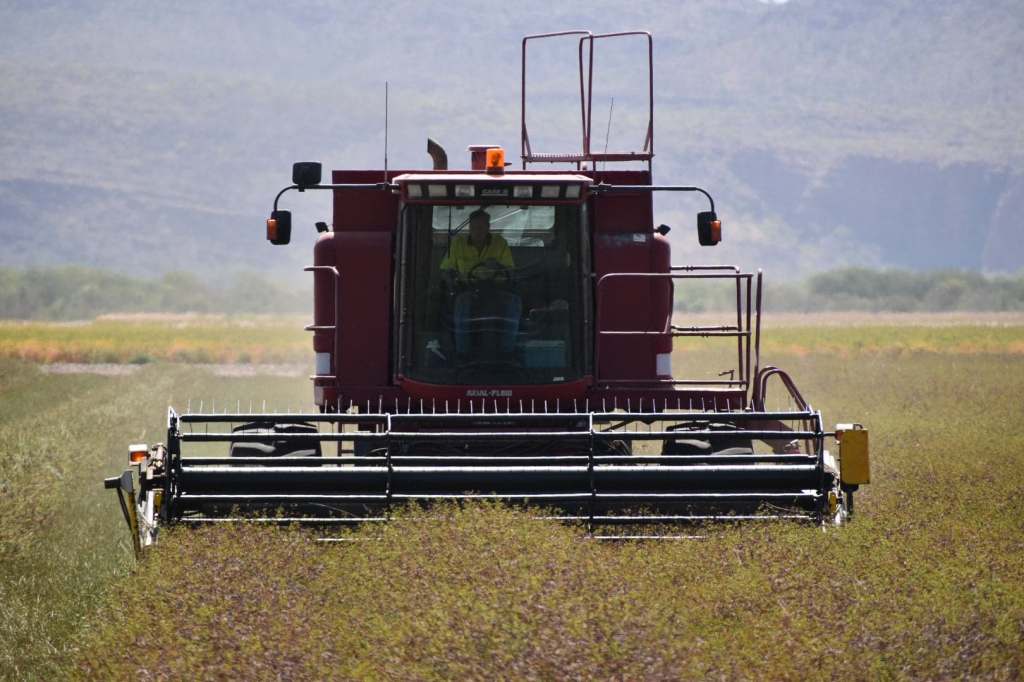
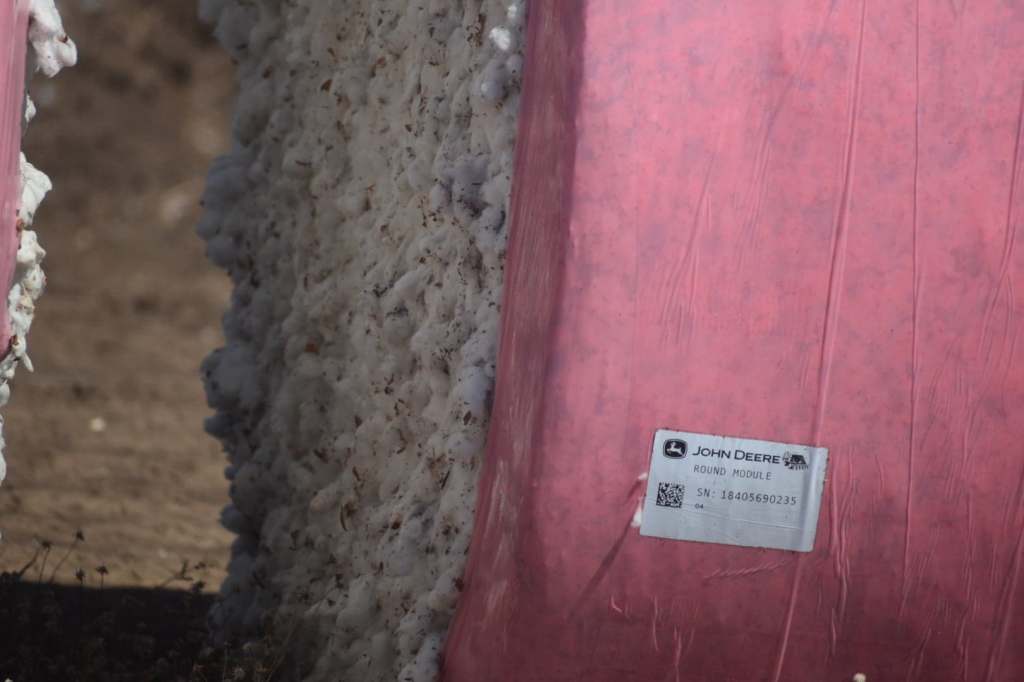
There are many crops grown in the Kununurra area. They are irrigated from the Ord River irrigation scheme, with water being channeled via irrigation ditches. A farmer is able to order water, which is then diverted to his crops via the channels and ditches throughout the area. Water wheels measure the volume of water being delivered. Lengths of hose siphon the water from the ditch to the crops, often using flood irrigation.
 This Is How I Roll